14 Birds Graphics: A Crafty Asset for Blog Design
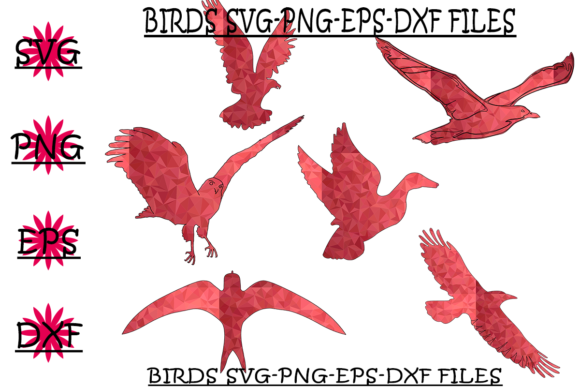
As a digital publisher who spends hours curating the perfect visual identity for client websites, I approach every new graphic design asset with a critical eye. It is not enough for an image to be cute; it must perform. It needs to hold its own against bold headlines, survive compression on mobile devices, and instantly communicate the mood of the article. When I first opened the 14 BIRDS SVG-PNG-EPS-DXF collection, my immediate thought was not about scrapbooking, but about editorial flow. This pack offers a specific kind of whimsical professionalism that is increasingly rare in the saturated world of stock photography.
The first impression this collection creates is one of organic movement and lightness. In the context of editorial design, whitespace is currency, and these bird silhouettes and illustrations provide a way to fill that space without creating visual clutter. The style leans heavily into the lifestyle and nature niches, making it an ideal fit for blogs focused on wellness, travel, gardening, or sustainable living. However, do not mistake "crafty" for amateur. The clean lines and versatile formats suggest a level of polish that can elevate a standard blog post into a branded experience. For content creators looking to establish a stronger brand identity, these elements serve as excellent recurring motifs that readers will begin to associate with your specific voice.
Transforming Content Marketing with Versatile Visuals
The true value of a digital download like this lies in its adaptability across different publishing channels. While the product description hints at physical applications—suggesting you can use 14 BIRDS SVG-PNG-EPS-DXF files for making stickers for planners or scrapbooks using cutters like Cricut or Silhouette Cameo, various digital design or for printing pillows, t-shirts, and decals—my focus is strictly on how these files translate to the screen. In a real-world publishing workflow, the PNG files with transparent backgrounds are immediate time-savers for creating Pinterest pins. A well-placed bird graphic can guide the viewer's eye toward the call-to-action text, improving the visual hierarchy and potentially boosting click-through rates.
For website owners, these assets shine when used as website header accents or category thumbnails. Imagine a blog section dedicated to "Morning Routines" or "Freedom and Travel." Placing a stylized bird icon next to the category title adds a layer of semantic meaning that plain text lacks. Furthermore, for those of us creating digital guides or lead magnets, the SVG and EPS files are invaluable. Because they are vector-based, they can be scaled infinitely without losing resolution. This means you can place a large, crisp bird illustration on the cover of an eBook or a worksheet without worrying about pixelation. This level of quality signals to your subscribers that the content inside is premium, fostering greater reader trust.
Strategic Placement for Maximum Impact
To get the most out of this collection, one must be strategic about where these graphics live within a layout. They work exceptionally well as hero images for lighter, more inspirational content. If you are writing a personal story or a reflective piece, a subtle bird graphic can set the emotional tone before the reader even begins the first paragraph. They are also fantastic for breaking up long blocks of text in newsletters. A small bird icon used as a bullet point or a section divider can make a dense email feel more approachable and designed.
However, caution is required. These designs should be used carefully in contexts that demand severe corporate minimalism or high-stakes financial advice. In serious professional niches, overly decorative elements can sometimes undermine authority. Additionally, avoid placing these detailed graphics over busy backgrounds or within small mobile thumbnails where the intricate lines of the DXF or SVG paths might blur. Always test your blog graphics on multiple devices. What looks elegant on a 27-inch monitor might disappear entirely on a smartphone screen if the contrast is too low.
Technical Considerations for the Modern Publisher
From a technical standpoint, integrating 14 BIRDS SVG-PNG-EPS-DXF into a web design project requires attention to file performance. While SVGs are generally lightweight and perfect for responsive web design, always ensure you are compressing your final exports. Large, unoptimized images can slow down page load times, which is a death sentence for SEO and user retention. Before deploying these assets on monetized websites or affiliate pages, it is crucial to review the licensing terms. Ensure you have the appropriate commercial license to use these designs in products you sell or in ads that drive revenue.
I also recommend experimenting with typography pairings. These bird graphics pair beautifully with serif fonts for a classic, editorial look, but they also pop against modern sans-serif fonts for a contemporary vibe. Try placing them beside script fonts for a feminine touch or handwritten fonts for a personal journal aesthetic. The key is to maintain consistency. If you use these birds in your social media graphics, carry that same visual language over to your Canva template kits and downloadable printables. This consistency builds a cohesive small business branding strategy that makes your content instantly recognizable in a crowded feed.
Ultimately, this collection is more than just a set of clipart; it is a toolkit for enhancing content marketing efforts. Whether you are an online educator creating course materials, an affiliate marketer designing comparison charts, or a creative entrepreneur launching a new product line, these assets provide the flexibility needed to produce high-quality work. By treating these files as integral components of your design system rather than afterthoughts, you can create a digital presence that feels both curated and authentic. In the competitive landscape of digital publishing, having access to unique, high-quality design assets like this can be the difference between a reader scrolling past or stopping to engage with your story.