Review: Keychain Display Stand Laser File for Makers
As a designer who spends just as much time stitching machine embroidery designs as I do curating the physical space to sell them, I approach every new asset with a critical eye. We often talk about the stitch count or the thread palette, but rarely do we discuss the infrastructure that holds our handmade products together. That is why I took a close look at the Keychain Display Stand - Laser Cut File. While my primary trade involves needle and thread, the reality of running a successful craft business means wearing many hats, including that of a shop fitter.
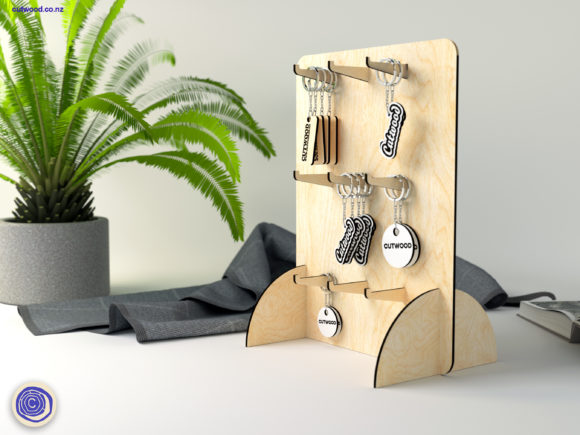
This isn't just a digital download; it is a blueprint for your brand's physical presence. When I first opened the files, my immediate impression was one of functional minimalism. The design avoids unnecessary flourishes that might weaken the structure or complicate the cutting process. Instead, it focuses on clean lines and geometric stability, which is exactly what you need when displaying small, high-value items like embroidered key fobs or embroidered patches.
From Digital Vector to Physical Reality
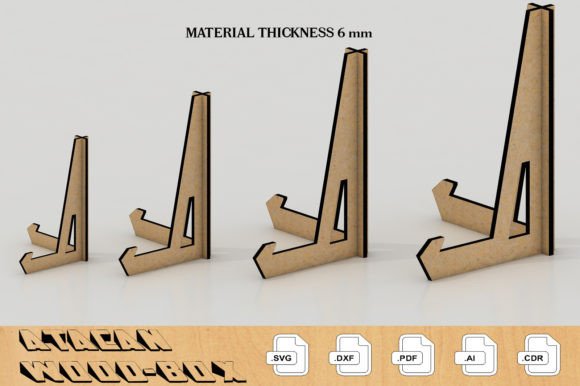
The core value of this product lies in its versatility for Laser Cutting. The package includes files in DXF, AI, SVG, and EPS formats, which covers virtually every workflow from hobbyist diode lasers to professional CO2 machines. What stands out immediately is the attention to material tolerance. The creator has provided specific configurations for 3mm, 1/8" (3.18mm), and 4mm thicknesses. This is a crucial detail that many designers overlook.
In my experience, assuming a universal slot size is a recipe for frustration. If the kerf—the width of the burn line—isn't accounted for, your Stands will either be too loose to hold weight or too tight to assemble without breaking. By offering these variations, this file acknowledges the reality of different machine calibrations and material densities. Whether you are using Baltic birch plywood for a rustic market stall vibe or acrylic for a sleek boutique counter, the file adapts to your needs.
A Real-World Scenario: The Holiday Market Rush
To truly evaluate this asset, I imagined a common scenario for many Etsy sellers and local artisans: the holiday craft fair. Picture this: you have spent weeks perfecting a line of sweatshirt embroidery and custom tote bag designs. You also have a collection of mini hoop art and keychains featuring festive motifs. You arrive at the venue, and while your custom apparel looks stunning on the rack, the small accessories are getting lost in a basket.
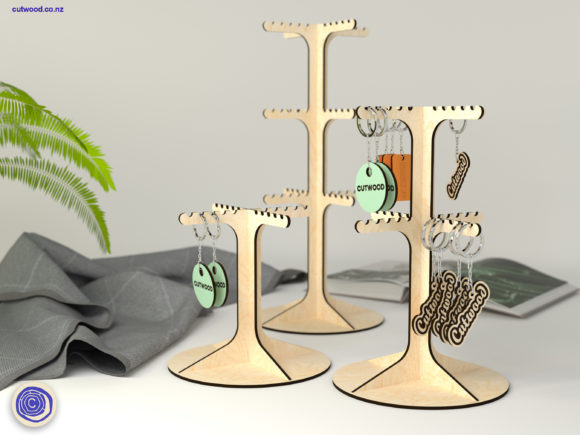
This is where the Keychain Display Stand - Laser Cut File becomes indispensable. With heights reaching up to 20 units (likely millimeters or a scalable vector unit depending on the source scaling, so always verify dimensions before cutting), these stands create verticality. In a crowded market environment, eye-level is buy-level. By elevating your personalized gifts, you transform them from afterthoughts into featured merchandise.
I visualized setting up three of these stands in varying heights to create a tiered effect. On the tallest tier, I would place my best-selling holiday ornaments. The middle tier would hold baby embroidery items like pacifier clips, and the lowest would feature durable keychains. The clean lines of the laser-cut wood would complement the texture of the thread without competing with it. It creates a cohesive visual narrative that tells customers, "These items are valuable."
Design Aesthetics and Brand Consistency
One of the biggest challenges for creative entrepreneurs is maintaining brand consistency across different mediums. Your Instagram feed might be polished, but if your market stall looks cluttered, it dilutes that professionalism. This display stand offers a neutral canvas. Because it is unadorned, it allows the colors of your thread colors and the texture of your fabric texture to take center stage.
If you are selling commercial embroidery services to local businesses, presenting their branded keychains on a sturdy, well-constructed stand instills confidence. It suggests that you care about the details, not just the final stitch. Conversely, a flimsy display can make even the most intricate satin stitch work look cheap. The structural integrity implied by the 3mm to 4mm material requirements ensures that these stands can handle the weight of multiple items without bowing or tipping over.
Practical Considerations for the Maker
While the design is solid, there are practical steps you must take before sending this to your laser cutter. First, always test the fit on scrap material. Even with the provided thickness options, the moisture content of wood or the rigidity of acrylic can alter the friction fit. You want your keychains to stay put, but you also need to be able to restock quickly during a rush.
Secondly, consider the finish. Raw MDF might be cost-effective, but for a high-end boutique product, you might want to sand the edges lightly or apply a food-safe oil if the stand will be used near consumables (though less likely for keychains). If you are using dark fabrics or dark fabric backgrounds in your booth, a light-colored wood stand provides excellent contrast, making your products pop. If your aesthetic is moody and industrial, painting the stands matte black could create a sophisticated backdrop for metallic threads.
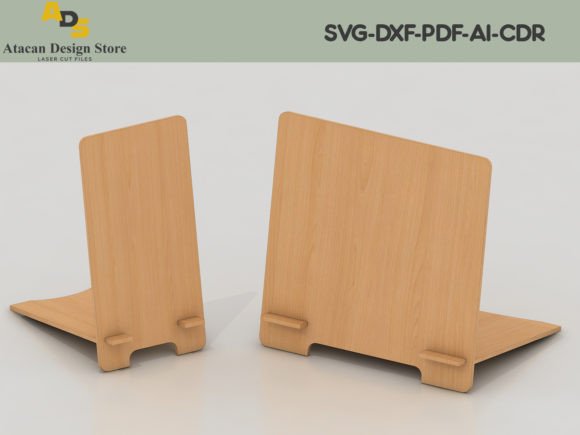
It is also worth noting the assembly. These files typically rely on slot-and-tab construction. Ensure your laser settings are optimized to prevent excessive charring on the edges, as burnt edges can snag delicate items like silk ribbons or fine running stitch details on hanging tags.
Maximizing Value for Small Shops
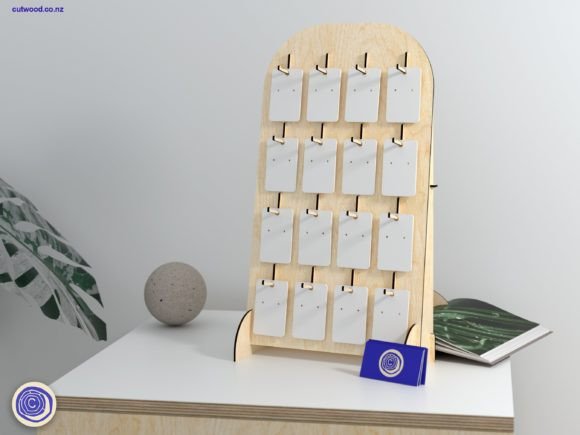
For the small shop product owner, ROI is everything. This file is a one-time purchase that can generate endless physical assets. Unlike an embroidery file which is limited by hoop size and fabric availability, a laser cut file can be reproduced as many times as you need to expand your retail footprint. You can build a massive wall display or a compact countertop arrangement using the same source file.
Furthermore, these stands are not limited to keychains. Once you have them cut, you might find they are perfect for holding apron tags, displaying pillow cover labels, or organizing spools of thread in your studio. The modularity of the design encourages creative repurposing. For digital product sellers, owning the physical means to display your wares beautifully enhances your printable mockup photography. A well-lit photo of your embroidery on a professional stand sells better than a flat lay on a wrinkled tablecloth.
Final Verdict for Designers and Makers
The Keychain Display Stand - Laser Cut File is a pragmatic tool for the modern maker. It bridges the gap between digital design and physical retail. It doesn't try to be flashy; instead, it serves as a reliable foundation for your hard work. Whether you are a hobbyist looking to organize your sewing room or an apparel decorator setting up a booth at a major fair, this asset delivers on functionality.
My advice is to treat this file with the same respect you treat your stitch charts. Test your materials, check your tolerances, and think strategically about how the height and arrangement will influence customer behavior. When your finished product is presented with care, customers perceive higher value, leading to better engagement and sales. In the competitive world of handmade goods, the details of your display are just as important as the details of your embroidery.
Before you cut, remember to verify the licensing terms included with the download to ensure you are compliant for commercial use. Once cleared, this file is ready to become a staple in your shop's inventory, helping you showcase your creativity with the professionalism it deserves.