Reviewing the Medical Examination Vertical Banner for Stitch
As someone who spends more time staring at digitized files than most people care to admit, I approach every new machine embroidery design with a mix of curiosity and skepticism. We have all been there: you download a file that looks crisp on the screen, only to find it turns into a puckered mess once the needle hits the fabric. Today, I am taking a close look at the Medical Examination Vertical Banner, a graphic asset from Flyers Amp that caught my eye for its potential in the medical training and healthcare appreciation niche. While this is technically listed under Graphics, us crafters and Etsy sellers know that a strong visual layout is often the blueprint for a successful stitched product.
First Impressions: Layout and Visual Personality
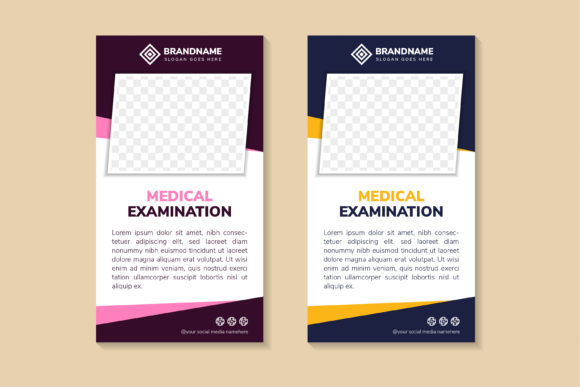
The first thing that strikes me about the Medical Examination Vertical Banner is its structural confidence. In the world of design assets, vertical layouts can be tricky. They often feel cramped or top-heavy. However, this template utilizes a diagonal rectangle shape to create a dynamic sense of movement. It breaks away from the static, boxy feel of standard medical clipart. The color palette—featuring pink, red, yellow, and blue elements against a white background—suggests energy and warmth, which is a refreshing change from the sterile blues and greens we usually associate with medical themes.
For an embroidery designer, this layout immediately sparks ideas about placement. The diagonal element isn't just decorative; it creates a natural leading line for the eye. If you were to translate this into an embroidery project, that diagonal could be rendered in a bold satin stitch to create a sharp, clean edge, while the colored blocks could serve as areas for fill stitch textures. The mood is professional yet approachable, making it suitable for everything from a clinic's welcome banner to a personalized gift for a nursing school graduate.
Real-World Application: From Screen to Stitch
Let's move beyond the theory and talk about how this design performs in a real-life scenario. Imagine you are preparing a custom order for a local community college's nursing department. They need branded custom apparel for their upcoming certification ceremony. A standard left-chest logo is too small to capture the detail of a banner, but a full-back design might be overwhelming. This is where the vertical nature of the Medical Examination Vertical Banner shines.
I can visualize this perfectly on a high-quality canvas tote bag design. Tote bags are staples for students carrying textbooks and stethoscopes. The vertical orientation fits the narrow profile of a bag side panel beautifully. Alternatively, consider a sweatshirt embroidery project. Placing this design vertically along the sleeve or down the side seam of a hoodie adds a modern, streetwear-inspired touch that elevates the garment beyond a simple uniform. The diagonal space meant for a photo in the original graphic could easily be adapted in embroidery to feature the recipient's name or graduation year, turning a generic template into a highly personalized gift.
For those running a craft business, versatility is key. This design could also work as an embroidered patch. Patches are incredibly popular right now, and the distinct geometric shapes in this banner would hold up well even at smaller sizes, provided the digitizing is done correctly. The bright pops of yellow and red would stand out vividly against a navy or black twill base, creating a finished product that demands attention at craft fairs or in online shop listings.
Technical Considerations for Embroiderers
Here is where we need to be honest and practical. The Medical Examination Vertical Banner originates as a graphic template, not necessarily a pre-digitized embroidery file. This distinction is crucial. If you are purchasing this as a graphic to be digitized, or if you are adapting an existing embroidery version of it, you must pay close attention to stitch density. The overlapping diagonal shapes and the intersection of the pink, red, yellow, and blue elements create areas where threads could build up excessively.
If you attempt to stitch this on a stretchy fabric like a lightweight t-shirt without proper stabilization, you risk distortion. The sharp angles of the diagonal rectangle require precise registration. My advice? Always test the design on scrap fabric first. Specifically, test it on the same weight and texture of material you intend to use for the final handmade product. If you are working with textured fabrics like towels or fleece, the fine details of the color transitions might get lost. In those cases, simplifying the design by increasing the spacing between color blocks or using a running stitch outline to define edges can improve clarity.
Furthermore, consider the hoop size required. Vertical designs often demand a larger hoop than square ones of similar area. Ensure your machine can accommodate the height of the banner, especially if you plan to add text above or below the main graphic. For curved surfaces like caps, this vertical layout might be challenging unless the design is significantly scaled down and simplified to avoid wrapping issues around the crown.
Enhancing Brand Value and Customer Trust
In the competitive market of commercial embroidery, presentation is everything. Using a well-structured design like the Medical Examination Vertical Banner signals professionalism. When a customer sees clean lines and thoughtful composition, they trust the maker more. It shows that you didn't just grab the first free clipart you found; you selected a design with architectural integrity.
This level of care directly impacts buyer engagement. Whether you are creating holiday embroidery gifts for hospital staff or producing merchandise for a small shop product line, the visual appeal of your work dictates its perceived value. A design that looks balanced and intentional allows you to charge a premium. It transforms a simple piece of cloth into a meaningful keepsake. For digital embroidery file sellers, offering a well-documented version of this design, complete with notes on thread colors and fabric recommendations, can set your listing apart from the sea of generic options.
Final Designer Notes and Recommendations
Before you commit to stitching the Medical Examination Vertical Banner on a client's expensive garment, take a moment to review the technical specifics. Since exact stitch counts and file formats are not inherent to the graphic description, you must verify these details if you are buying a digitized version. Check the licensing terms carefully; just because it is available as a graphic does not automatically grant rights for unlimited commercial embroidery sales.
- Thread Contrast: Test your thread colors against the fabric. The yellow element might disappear on a cream-colored apron, so consider swapping it for a gold or orange shade for better visibility.
- Stabilizer Choice: Given the geometric nature of the design, a cut-away stabilizer is likely safer than tear-away, especially for items that will undergo frequent washing like scrubs or uniforms.
- Mockups: Create black and white mockups to ensure the design holds its shape without relying on color contrast. This helps identify potential density issues.
- Light vs. Dark: If stitching on dark fabric, remember that the white background elements will need to be stitched, which adds bulk. You might choose to let the fabric show through for the white areas to reduce stiffness.
Ultimately, the Medical Examination Vertical Banner offers a solid foundation for creative expression. With its energetic colors and dynamic diagonal composition, it bridges the gap between clinical professionalism and human warmth. Whether you are an experienced decorator or a hobbyist looking to expand your portfolio, this design invites you to think vertically and stitch with purpose. Just remember to respect the materials, test your settings, and let the quality of your execution speak for itself.