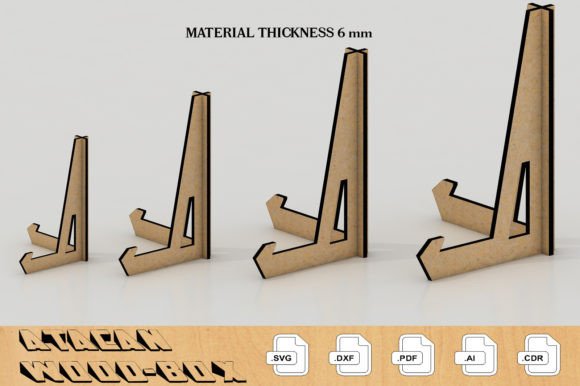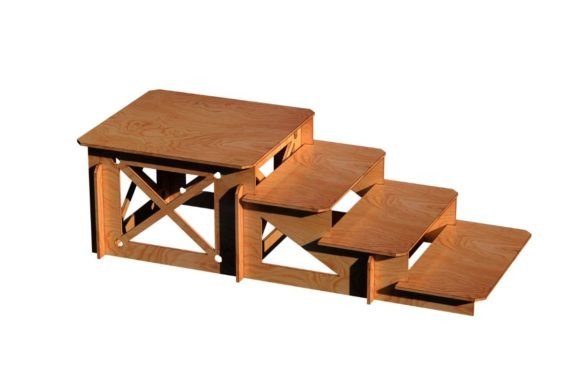
Display Stand: A Designer's Review for Craft Projects
As someone who spends most of my days digitizing patterns and reviewing machine embroidery design files for commercial use, I approach every new asset with a critical eye. We often get caught up in the thrill of a new purchase, but the real test is how a design performs when it leaves the screen and hits the fabric. Today, I am evaluating the Display Stand. While this specific product is marketed primarily as a laser cutting file for crafts show racks, available in formats like SVG, DXF, and EPS, my interest lies in its potential application within the broader scope of handmade product presentation and hybrid crafting.
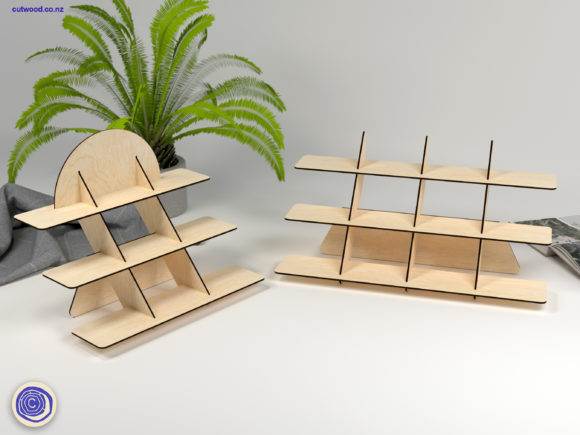
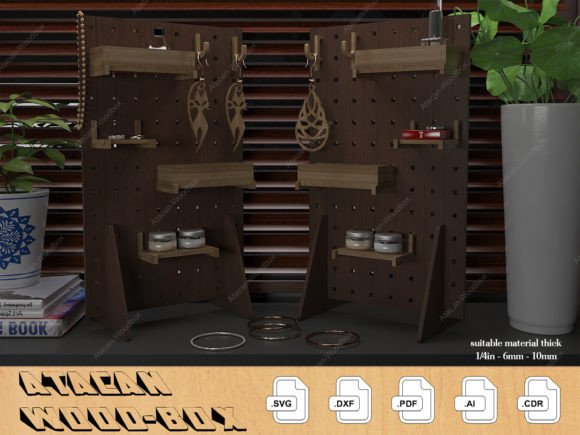
My first impression of the Display Stand design is one of utilitarian elegance. The lines are clean, suggesting a structure that prioritizes function without sacrificing aesthetic appeal. For us in the craft community, whether we are Etsy sellers or hobbyists making gifts, the mood a product creates is paramount. This stand exudes a professional, boutique vibe. It feels less like a temporary prop and more like a permanent fixture in a well-organized studio. The simplicity of the layout means it won't compete with the items it holds; instead, it frames them, allowing your handmade product to take center stage.
Real-World Application: The Boutique Pop-Up Scenario
To truly understand the value of this asset, let's walk through a realistic scenario. Imagine you are preparing for a weekend craft fair or setting up a small shop product display. You have a collection of custom apparel, including embroidered tote bags and sweatshirts. You also have smaller items like embroidered patch sets and kitchen towels. Without a proper rack, these items end up piled on a table, looking cluttered and less valuable.
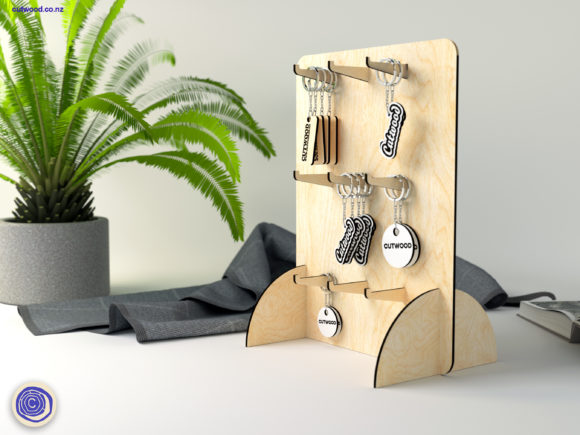
This is where the Display Stand shines. Because it is a digital product intended for Laser Cutting, you have the freedom to choose your material. I envision cutting this from a warm walnut or a crisp birch plywood to match a natural, earthy brand identity. Once assembled, the stand becomes the backbone of your booth. You can drape a tote bag design over one arm, hang a row of holiday ornaments on another, and prop up a framed baby embroidery piece against the back panel.
The psychological impact on the customer is immediate. A neatly displayed item suggests care and professionalism. It transforms a simple personalized gift into a high-end boutique offering. When a customer sees their potential purchase presented on a sturdy, well-crafted rack, their trust in the quality of the stitching and the durability of the garment increases. It subtly communicates that you are a serious craft business owner, not just someone selling leftovers from a home hobby.
Navigating Material and Structural Considerations
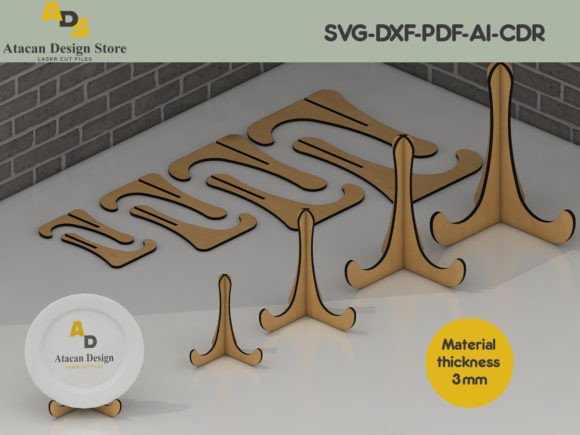
While the design concept is strong, practical execution requires attention to detail. Since this is a Laser Cutting file, the success of your final finished product depends heavily on your material choice and assembly. The description notes that the stand is easy to assemble, which is crucial for vendors who need to set up and tear down quickly. However, "easy" is relative to the precision of your cut.
If you are using this stand to hold heavier items like thick sweatshirt embroidery bundles or multiple layers of denim, you must ensure the slot tolerances in the DXF or SVG file are appropriate for your material thickness. A stand that wobbles undermines the professionalism you are trying to project. I recommend running a test cut on scrap material first. Check the fit of the joints. If they are too loose, the stand will be unstable; if too tight, you risk cracking the wood during assembly.
Furthermore, consider the finish. Raw wood can snag delicate fabrics, especially if you are displaying lightweight baby clothes or silk scarves. Sanding the edges smoothly and applying a non-toxic sealant not only protects your merchandise but also adds a layer of polish that reflects well on your brand. Remember, the stand is part of the visual experience. A rough, splintered edge distracts from the pristine satin stitch work on your apparel.
Strategic Use for Embroidery Professionals
Although the Display Stand itself is a physical object created from a digital file, its relevance to embroidery designers extends to how we present our design assets. In the world of digital sales, presentation is everything. If you are selling digital embroidery file packs, using a mockup that features your designs on items displayed by a stand like this can significantly boost engagement.
Create a printable mockup or a staged photo where your holiday embroidery designs are shown on aprons hanging from this rack. It provides context. It helps the buyer visualize the embroidery project in a real-life setting. This technique works exceptionally well for commercial embroidery portfolios. When pitching to local businesses for uniform work, showing your samples on a cohesive, branded display system demonstrates organizational skills and attention to detail.
However, there are limitations to keep in mind. This stand is designed for flat or semi-rigid items. It may not be suitable for displaying bulky, three-dimensional objects like stuffed animals or heavily padded caps unless modified. Also, if you plan to use it outdoors for a market, consider the weather resistance of your chosen material. Warped wood looks unprofessional and can damage the merchandise it is meant to protect.
Final Verdict and Designer Notes
The Display Stand is a versatile tool for the modern maker. It bridges the gap between digital design and physical retail presence. For small shop product lines, it offers a cost-effective way to elevate brand perception. The clean lines and modular nature make it adaptable for various themes, from rustic farmhouse to modern minimalist.
Before committing to a full production run or integrating this into your primary sales strategy, here are a few practical notes:
- Verify File Compatibility: Ensure your laser cutter software accepts the provided SVG, DXF, or EPS formats without altering line weights or dimensions.
- Test Assembly: Always assemble a prototype to check stability before cutting your final, expensive materials.
- Check Licensing: Since this is a digital product, confirm the license terms regarding commercial use. Can you sell the physical stands you make, or are they for personal display only?
- Material Selection: Choose a wood grain and color that complements your specific niche. Dark woods convey luxury, while light woods feel approachable and airy.
- Maintenance: Consider how easy it is to clean. Dust accumulation on the shelves can detract from the freshness of your custom apparel.
In conclusion, the Display Stand is more than just a rack; it is a branding opportunity. For embroidery enthusiasts and business owners alike, investing time in how products are presented is just as important as the quality of the stitching itself. By using a well-designed stand, you validate the effort put into every fill stitch and running stitch, ensuring your hard work gets the recognition and respect it deserves in the marketplace.