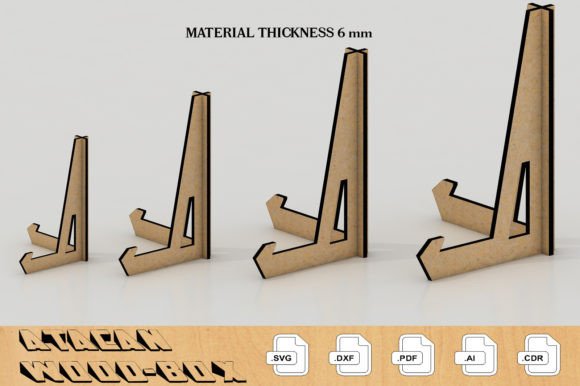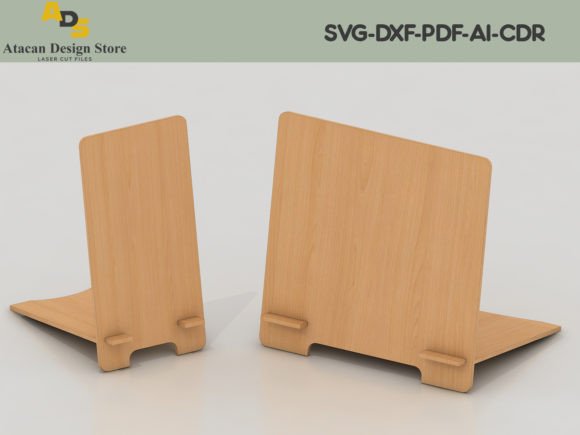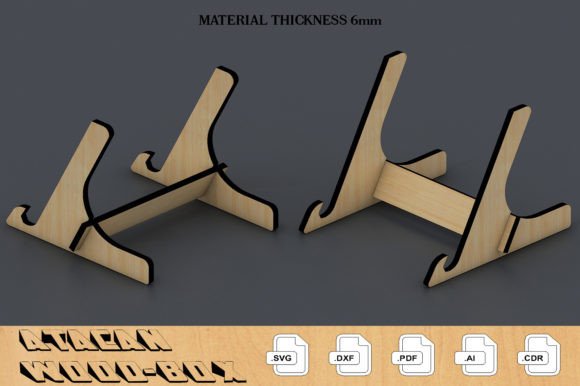
Display Stand Easel Picture Frame Plan Review
As a designer who spends more time staring at stitch maps than most people care to admit, I approach every new machine embroidery design with a mix of curiosity and skepticism. We have all been there: you download a file that looks crisp on the screen, only to find it puckers like an accordion once it hits the fabric. Recently, I got my hands on the Display Stand Easel Picture Frame Plan. While the product description highlights its origins in the world of Laser Cutting and compatibility with Glowforge machines, my interest was piqued by how this specific geometry could translate into a tangible embroidery project for my small shop.
The first thing that strikes you about this plan is its structural integrity. Even before threading the needle, the layout suggests a mood of clean, modern utility. It isn't cluttered with unnecessary flourishes; instead, it relies on strong lines and balanced proportions. For those of us creating handmade products, this kind of visual personality is gold. It screams "professional" without trying too hard. When I visualized this design stitched onto a heavy canvas tote bag design or a structured apron, I could immediately see the appeal. It feels like something a boutique owner would use to brand their packaging or display their best-selling items at a craft fair.
Real-World Application: From Digital File to Finished Product
To truly test the waters, I imagined a specific scenario that many Etsy sellers and creative entrepreneurs face daily: the holiday rush. Picture a customer ordering a personalized gift set—a cozy sweatshirt paired with a matching decorative item. This is where the Display Stand Easel Picture Frame Plan shines as a versatile asset. While the original intent involves creating physical Stands via laser cutting, the aesthetic of the plan translates beautifully into sweatshirt embroidery or even a detailed embroidered patch.
If you are running a craft business, consistency is key. Using a design element that mimics the look of a physical easel or frame adds a layer of depth to your custom apparel. Imagine stitching this motif onto a linen pillow cover intended for nursery decor. The clean lines provide a perfect border for a child's name or a significant date, turning a simple textile into a cherished personalized gift. The design's inherent symmetry ensures that whether you are working on a flat surface like a tea towel or a curved one like a cap, the visual weight remains balanced.
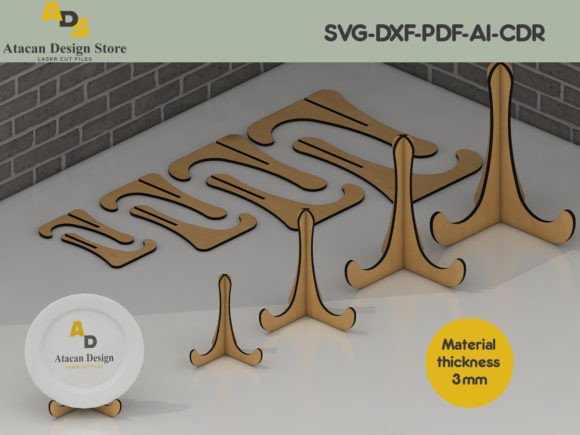
However, we must address the elephant in the room: the source material. Since these files are primarily optimized for SVG, DXF, PDF, AI, and CDR formats for laser machines, using them for embroidery requires a thoughtful conversion process. You aren't just dropping a standard embroidery file into your software. You are taking a vector concept and interpreting it through thread. This offers a unique opportunity for digital embroidery file creators to add value. By manually digitizing this plan, you can control the stitch density and ensure that the satin stitch borders are smooth and the fill stitch areas provide adequate coverage without becoming too stiff.
Navigating Fabric Challenges and Stitch Clarity
Every experienced decorator knows that a design is only as good as the fabric it lives on. When adapting the Display Stand Easel Picture Frame Plan for textiles, caution is required regarding fabric texture. On thick, stable materials like denim, canvas, or twill, this design will likely perform exceptionally well. The structure of the fabric supports the geometric nature of the frame, allowing the running stitch details to pop with clarity.
Conversely, if you attempt to apply this to thin, stretchy, or highly textured fabrics, you might encounter issues. Delicate corners and sharp angles, which are characteristic of an easel or frame design, can easily distort on a jersey knit t-shirt if not properly stabilized. In these cases, investing in a high-quality cut-away stabilizer is non-negotiable. You want the finished product to lay flat, not ripple around the edges. Furthermore, when working on dark fabrics, pay close attention to your thread colors. A high-contrast palette will emphasize the architectural lines of the design, whereas a tonal approach might blend it too subtly into the background, losing the definition that makes the plan so effective.
For those considering this for baby embroidery or items that require frequent washing, such as kitchen towels or bibs, the density of the stitching becomes a critical factor. Heavy fill stitches can make a garment uncomfortable against sensitive skin. My advice is to test the design on scrap fabric first. Run a wash cycle on your sample to see how the threads hold up and whether the shape retains its crispness. This step is vital for maintaining customer trust and ensuring your small shop product stands the test of time.
Enhancing Brand Value and Visual Appeal
Beyond the technical execution, the true value of the Display Stand Easel Picture Frame Plan lies in its ability to elevate brand perception. In the crowded marketplace of commercial embroidery, presentation is everything. Using a design that implies structure and display—like an easel—subconsciously tells the customer that the item they are holding is worthy of being displayed. It adds a sense of occasion to the purchase.
Whether you are creating printable mockup images for your online store or photographing the actual finished product for social media, this design acts as a natural focal point. It frames the content beautifully, much like its physical counterpart. For apparel decorators looking to expand their catalog beyond standard logos, incorporating architectural elements like this can differentiate your offerings. It suggests a level of thoughtfulness and design acumen that generic clipart simply cannot match.
It is also worth noting the versatility of this plan for mixed-media projects. If you are a maker who utilizes both laser cutting and embroidery, you could theoretically create a hybrid product: a laser-cut wooden base featuring this plan, paired with an embroidered textile insert. This kind of innovation is what drives engagement in the maker community and can justify a higher price point for your design assets.
Final Thoughts for the Practical Designer
Before diving in, remember that since the original files are tailored for laser cutters, you must verify the licensing terms if you intend to sell the digitized embroidery version or the finished stitched goods. Do not assume the license covers commercial embroidery use just because it allows for laser cutting. Always check the specific permissions regarding commercial embroidery and digital redistribution.
In summary, the Display Stand Easel Picture Frame Plan is a compelling starting point for designers willing to put in the extra legwork of adaptation. It offers a clean, professional aesthetic that fits seamlessly into modern home decor, boutique branding, and personalized gifting. With careful attention to hoop size, stabilizer selection, and fabric choice, this design can transform from a digital vector into a stunning tactile experience. It is a reminder that great design often transcends its original medium, waiting for a creative eye to unlock its potential in thread and fabric.