Mini Stands for Laser Cutting: A Designer's Review
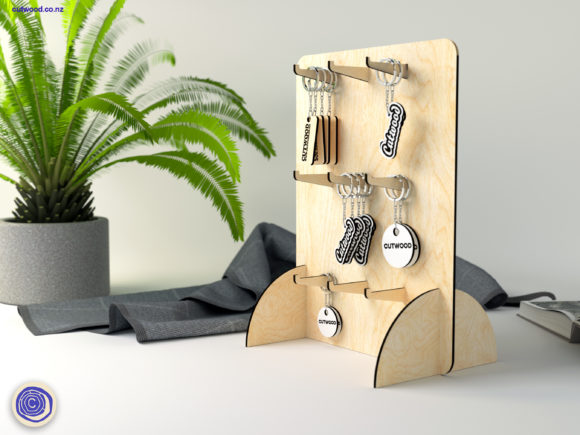
As a digital publisher who spends hours curating the visual identity of various blogs and content platforms, I am constantly on the hunt for graphic design assets that bridge the gap between digital polish and tangible authenticity. When I first encountered the Wood Easel Display Holder Mini Stands, my immediate reaction was not just about the physical object, but how its aesthetic could translate into high-performing web content. In an era where flat design often dominates, there is a growing appetite for textures that feel grounded, artisanal, and warm. This asset brings exactly that kind of editorial mood to the table.
The visual language here is distinctly lifestyle-focused yet professional. It evokes a sense of curated creativity, perfect for niches ranging from DIY tutorials and craft education to boutique product reviews and artistic portfolios. For a blog designer, this means the asset naturally supports content that needs to feel approachable but high-quality. It suggests a brand identity that values craftsmanship, making it an excellent choice for small business branding or creative entrepreneurs looking to elevate their visual hierarchy without resorting to generic stock photography.
Integrating Physical Textures into Digital Workflows
The true value of a digital download like this lies in its versatility across a publishing workflow. Imagine preparing a series of Pinterest pins for a holiday gift guide or a "Best Tools for Makers" listicle. Using the silhouette or rendered image of these mini stands as a framing element instantly adds depth. It transforms a standard Pinterest pin from a simple graphic into a scene that invites the user to imagine the product in their own space.
Beyond social media, these designs are incredibly potent for blog graphics and article headers. If you are writing a review for a new line of jewelry, a collection of mini art prints, or even a software tool for designers, placing the subject matter within the context of these easel stands creates an immediate narrative. It tells the reader, "This is something to be displayed and cherished." This subtle psychological cue can significantly improve reader trust and engagement. For newsletter creators, using these visuals in header banners or as accents within a digital guide can break up text-heavy layouts, providing a breath of fresh air that keeps subscribers scrolling.
Furthermore, for those creating downloadable resources like worksheets, checklists, or printable design files, incorporating the motif of these stands can serve as a decorative border or a thematic icon. It reinforces the idea that the content itself is valuable and worthy of display. For affiliate marketers, having unique, custom-styled images rather than standard manufacturer photos can be the difference between a bounce and a click. It signals that the publisher has put effort into the presentation, which correlates strongly with higher conversion rates in affiliate marketing.
Performance and Visual Identity
From a performance standpoint, strong visuals drive clicks. The Wood Easel Display Holder Mini Stands offer a clean, modern design that avoids visual clutter. This clarity is essential for maintaining a strong brand identity. When your website header or category thumbnails share a consistent textural theme, readers begin to recognize your content instantly in a crowded feed. This consistency builds authority. Whether you are running an educational platform or a lifestyle magazine, the cohesive look provided by such design assets ensures that every page feels part of a larger, well-thought-out ecosystem.
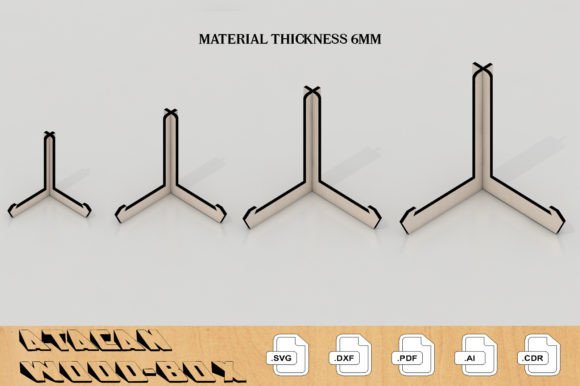
However, discretion is key. While these stands are versatile, they should be used carefully in specific contexts. For instance, on very small mobile thumbnails, intricate details of the wood grain or the joint mechanics might get lost, potentially looking like noise rather than texture. In highly corporate or serious professional niches—such as legal advice or financial consulting—the rustic or craft-oriented vibe might clash with the desired tone of strict minimalism and authority. Similarly, avoid placing them against low-contrast backgrounds or busy layouts where they might compete with headline text for attention. The goal is enhancement, not distraction.
Practical Notes for Publishers and Designers
Before integrating this asset into your live site or paid products, there are several practical steps to take. First, always test your compositions on both desktop and mobile screens. What looks balanced on a wide monitor might feel cramped on a smartphone. Check how the image performs as a thumbnail; ensure the focal point remains clear even at reduced sizes. Preview the asset inside your actual blog layout to see how it interacts with your existing typography and color palette.
Typography pairing is another critical consideration. These stands pair beautifully with serif fonts for a classic, editorial look, or with handwritten and script fonts to emphasize the handmade nature of the niche. However, they also hold their own against bold sans serif and display fonts if you are aiming for a more contemporary, gallery-style aesthetic. Experiment with these combinations to find the sweet spot for your specific audience.
Technical optimization cannot be overlooked. Review the file size to ensure it does not negatively impact your page load speed, a crucial factor for SEO and user experience. Compress images properly without sacrificing the texture quality that makes the asset appealing. Most importantly, confirm the commercial licensing terms. Since many of us use these assets for monetized websites, affiliate pages, or sold content products like Canva templates and digital products, understanding the scope of the commercial license is non-negotiable. Ensure you have the rights to use the designs in commercial design projects intended for profit.
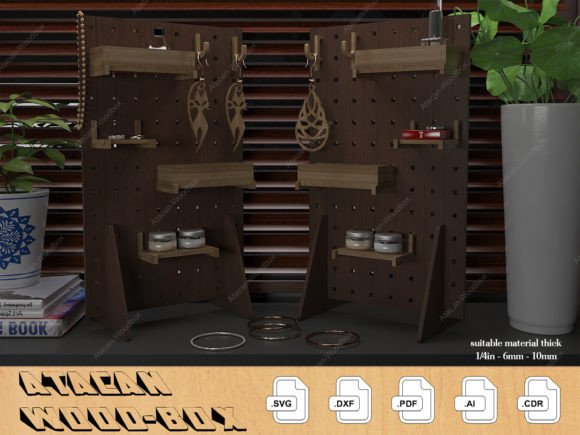
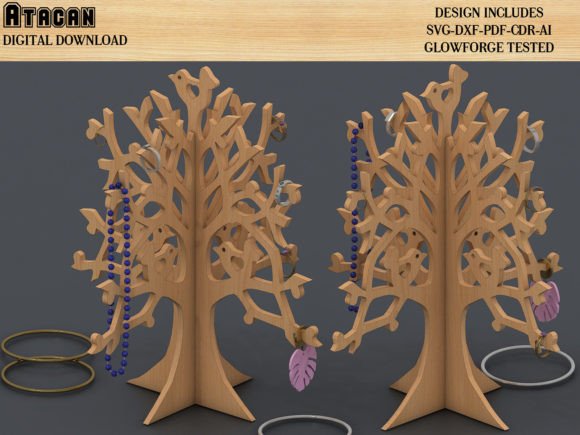
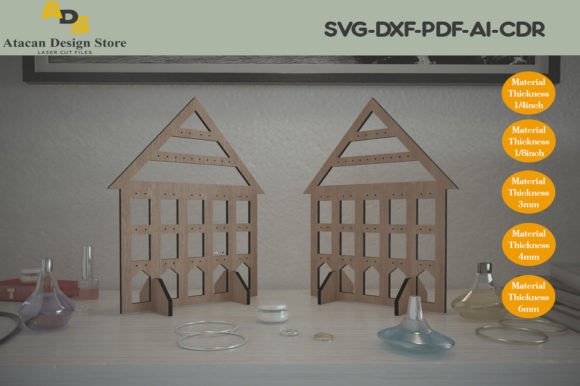
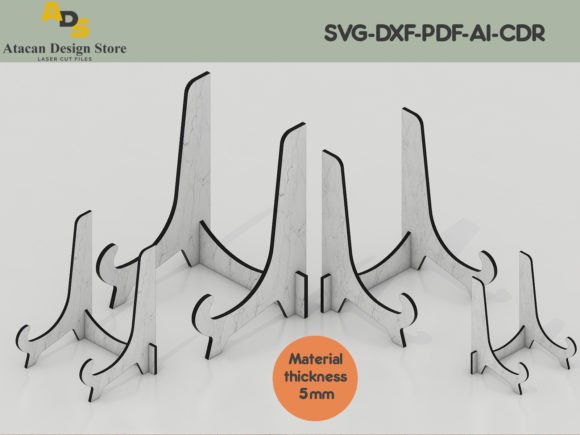
Regarding the technical specifications, it is worth noting the flexibility of the source files. While originally conceived with specific hardware in mind, the utility here extends far beyond a single machine type. The files are engineered to be compatible with a wide array of laser cutting systems, offering significant freedom for creators who may not own the specific pro-level equipment used during testing. The package typically includes a comprehensive suite of vector and document formats, ensuring seamless integration regardless of your preferred design software. Whether you are editing in Illustrator, CorelDRAW, or importing into a CAM program, the availability of standard industry formats means you can adapt these designs for various production needs or digital mockups without friction.
In conclusion, the Wood Easel Display Holder Mini Stands represent more than just a cut file; they are a versatile tool for enhancing content marketing strategies. By bringing a touch of physical warmth to digital spaces, they help publishers create richer, more engaging experiences. Whether found on a creative marketplace or included in a premium bundle, assets like these are essential for any designer looking to produce work that feels both modern and timeless. When used thoughtfully, they transform standard content into something that feels curated, professional, and undeniably clickable.